
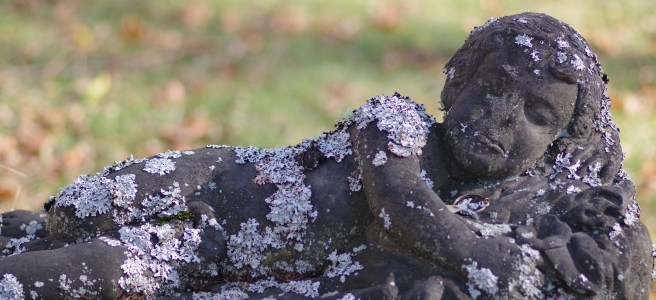
Compost is funny because it will take almost anything living, and in time, break it down and return it to the earth. No ceremony. No eulogies. It just happens beside barns, and in barrels beside rose gardens without anyone making a fuss. Few can tell you the why or how of it, although books and neighbours will offer tips to hasten the process, if that’s a desire. But typically, it just processes things in it own time.
I was quite young when I noticed that human death was quite a different thing.
Each passing seemed to come with a script. There appeared to be unnamed categories of death, unlike the compost heap which treated all transformations with the same quiet respect. I had a habit of placing things in categories as a child.
In one pile of passings there were the blessing scripts: The “We should be thankful, they are finally at peace” deaths. These tended to come after emotional suffering, and arrive in an exhale and a collective feeling of rest.
Then there were deaths marked by heroic resolve in the face of long illnesses that generated scripts such as “She fought so hard” or “ He lost his courageous battle.” These would be shared in knowing tones, marking some shared experience around certain kinds of illnesses. If your death was one of these, you had a good chance of being memorialized as a warrior in life. A fighter. Full of courage.
Then there were tragedies, deaths that happened that never should have happened. These ones broke some sort of life rule, that I later learned to call irony, like dying in a car crash on your wedding day, or while at a celebration. They are often marked by a clear impulse to gather in mourning with others over and above the funeral, and there can be huge outpourings of love and support from family, friends and communities. Anniversaries are often established to encourage remembrance. Perhaps so we don’t forget how unpredictable life is and how thankful we should be that it didn’t happen to us. Tragedies can keep people alive for a long time.
My mother’s death was almost a tragedy. It had some of the ingredients, but was missing others. It was obvious to me, even as a child, that some deaths live in a sort of sub-tragic-category, and don’t get a script at all. No words. No story. It seemed that was the pile we were assigned to.
There are deaths that just suck the oxygen from the cabin while a whole family is flying economy together. And when pressure is lost, everyone is so disoriented from the low oxygen levels none of the adults remember to put their own mask on first. And we know why that’s supposed to happen.
Almost 50 years have passed since she disappeared from our lives one Saturday night in late August. She had attended a work-related corn roast on Labour Day weekend, and fell from a wagon when the tractor pulling it hit a bump. I was having a sleepover in the basement at my grandparents house when it happened.
I woke up to sounds upstairs I was too afraid to move toward, and lie awake all night, paralyzed and dug deep into a rut between the mattress and the wall, covered in blankets. I stayed there until a minister came down with my sisters and said he would cry except he had blocked tear ducts, and then told my sisters and I he was very sorry. I didn’t know why he would be crying, I didn’t know what he had to be sorry about, and I didn’t know what a tear duct was, so none of this was particularly helpful. I did, however, bolt from the house and run down a busy street in my pajamas, where a neighbour who happened to be a distant cousin corralled me and reportedly returned me home.
Instead of a script, our family – my dad, sisters, grandmother and grandfather – those who survived after the oxygen was removed- became a hesitant and out-of-work mime troupe.
New actors were auditioned and hired within a year, sets changed and roles were reassigned. Plots twisted, but no rehearsals were ever suggested. The new actors had lines that occasionally mimicked the category of family, but I know I was never given any to say and none came naturally. I had step-sisters whose middle names and birthdays I did not know. A step mother who looked weirdly how I remembered my mother to look and who shared my name. I went full mime, practicing head tilts, nodding and gazing off-stage, hoping a Director might arrive with a vision for Act Two. I wasn’t fond of whatever this new genre this was.
I was always preoccupied with truth, and there was only one truth in my 11 year old brain. My mom was dead, death was natural and it sometimes happened to mothers and not just old people.
Apparently, I didn’t need a mother anymore.
There was little other meaning attached, just as there appeared to be no script.
This changed the day I met Bea on sidewalk in Toronto and she invited me to her home, just six blocks from where I was living.
It was there I discovered my mother had never actually died, and there was more than one kind of truth.
OK, it’ clear my spade dug a little deeper than I expected. I wonder what we’ll unearth tomorrow.


Not sure if you know, but they have human composting now.
Love this story!
LikeLike
Hi Sally! It’s funny you mention that, it was an interesting conversation around dinner with friends just last week 🙂 I’d go for that I think!
LikeLike
Continuing to send love to you, dear Kit. Thank you for sharing so vulnerably and beautifully and powerfully.
LikeLike
Oh my goodness, hello Tamara! So nice to see you here! Where ya at these days! I hope life is good!
LikeLike
I’m in a tiny little town in the mountains, I think of beautiful CBI so often. I hope life is good for you too
LikeLike